
Holistic independent living solutions
Securing autonomy through accessibility and home adaptations

Essential daily support
Navigating safely with advanced mobility solutions
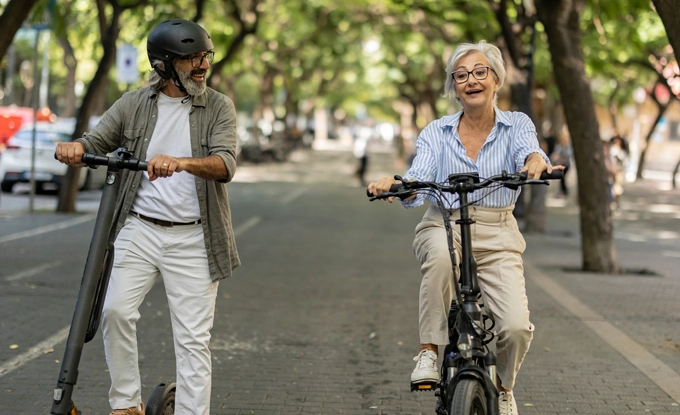
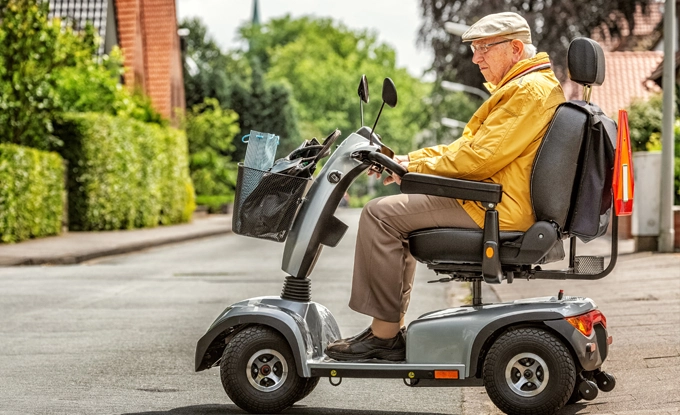
Safe outdoor navigation maintains active lifestyles. Power wheelchairs and mobility scooters offer freedom, helping individuals access community areas without fatigue. Modern infrastructure integrates access ramps and tactile paving for smooth transit. These features ensure public spaces remain navigable for persons with reduced mobility.
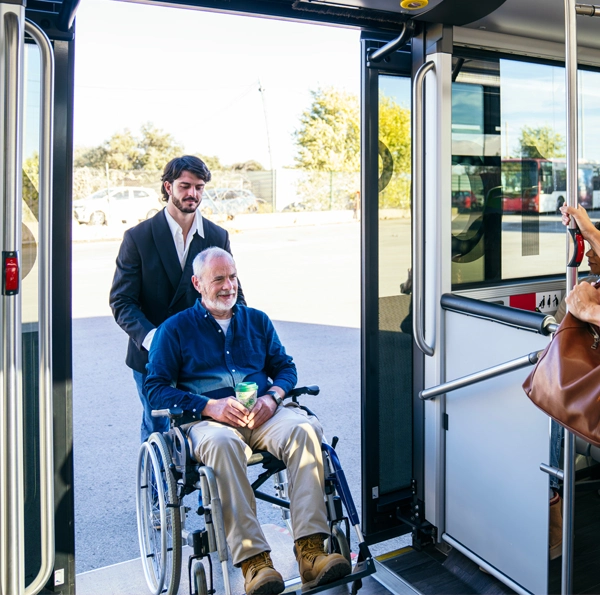
Transport networks adapt to accessible standards. Low-floor buses and step-free subway stations enable spontaneous travel. Specialized transport services cover rural gaps, connecting residents to medical appointments and social events. This connectivity minimizes reliance on family for medical transport.
Adapting domestic spaces for safety and comfort
Home adaptation works let seniors stay put by removing fall risks. Accessibility renovations transform standard housing into a secure environment suited to loss of autonomy.

Accessible PMR bathrooms
Italian showers replace high tubs to prevent falls. Anti-slip flooring ensures stability.

Safe vertical circulation
Straight stairlifts glide on rails connecting floors. Home elevators suit multi-story needs.

Adaptive kitchen layouts
Height-adjustable worktops lower for seated access. Pull-down baskets minimize dangerous bending.

Medicalized bedroom comfort
Bed grab rails assist rising safely. Fall detection lighting activates during movement.
Holistic senior wellness
Prioritizing senior health and personal well-being
Home care assistants offer tailored support, ranging from medication adherence to companionship. Personalized nursing plans manage chronic conditions while respecting individual routines. Community nursing teams conduct regular visits to monitor vitals, ensuring any loss of autonomy is addressed before requiring emergency hospitalization.
Telemedicine solutions connect patients with geriatricians. Medical alert bracelets track heart rate, sending real-time data to professionals who adjust therapeutic protocols without requiring stressful clinical travel.


Navigating financial assistance and administrative support
The cost of specialized equipment requires planning. State disability allowances often cover significant expenses for home accessibility diagnostics or lifts. Private health insurance may reimburse durable medical equipment if prescribed. Families should consult senior financial advisors to optimize assets and caregiver tax credits.
Geriatric case managers assist families in filing claims for means-tested benefits. Navigating healthcare bureaucracy is daunting, but guidance clarifies options. Charitable foundations frequently offer zero-interest loans or material aid to eligible households. Combining public aid, private coverage, and resources makes care sustainable.
Stimulating leisure activities for senior well-being
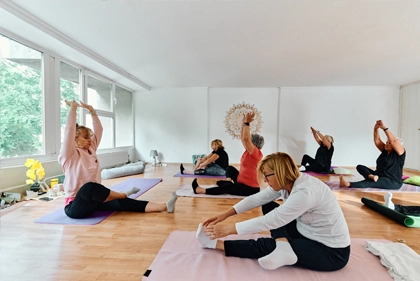
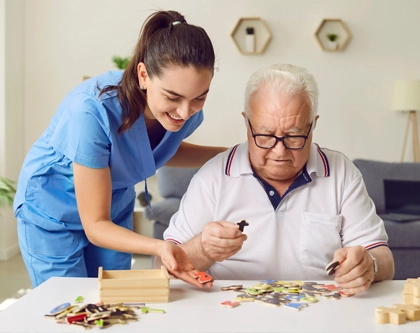
Accessible hobbies improve life satisfaction. Cognitive stimulation workshops, adapted physical activity, and social games are designed to stimulate the mind, encourage movement, and enhance social inclusion, significantly boosting overall psychological balance.



Daily Autonomy
Enhancing independence with technical aids
Using technical aids improves autonomy. Assistive devices provide solutions where dexterity is reduced. From weighted utensils to mobile teleassistance, these aids prioritize safety. Incorporating such gerontechnology into life restores confidence and fosters control over activities of daily living.
Supporting ageing in place, health, intergenerational connections, and e-health solutions to enhance life with reliable senior assistance.